
How Small Island Nations Are Redefining Global Diplomacy
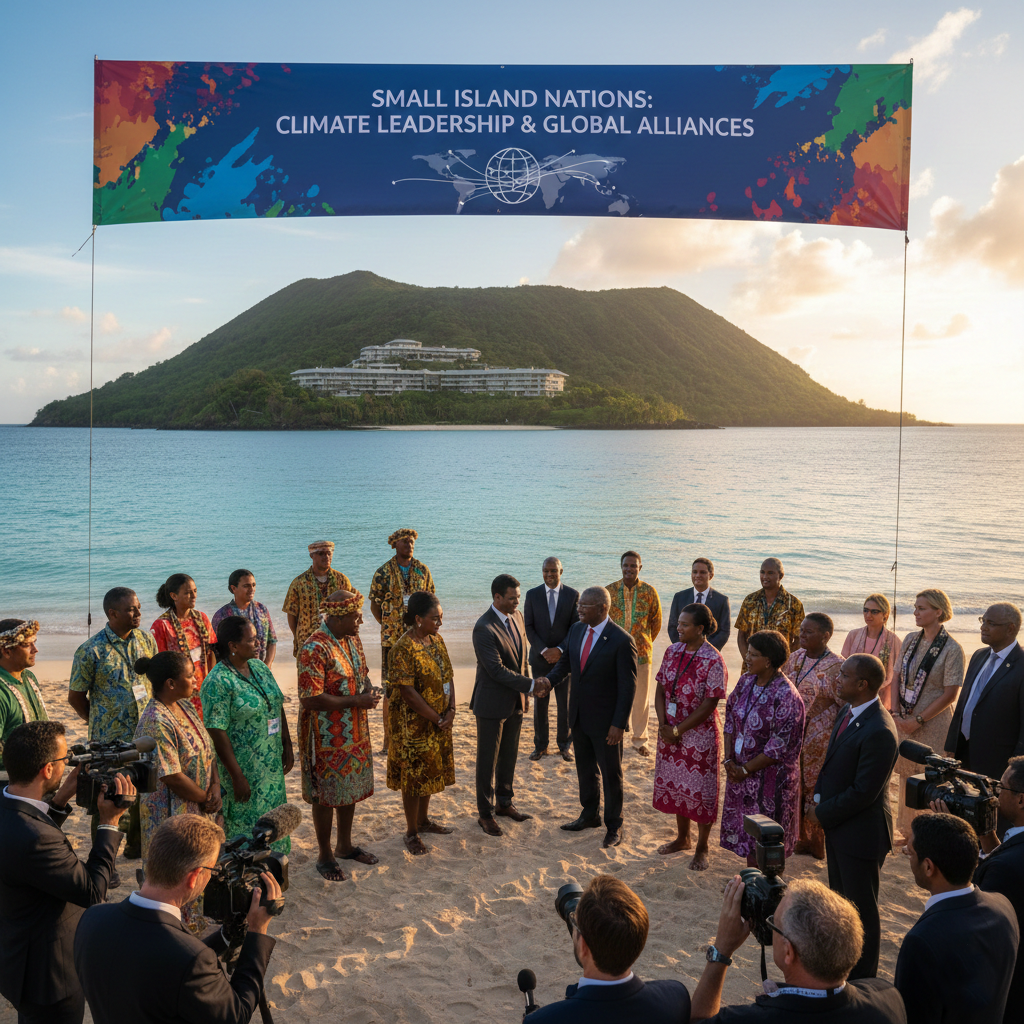
In global politics, size no longer defines strength. Small island nations are becoming diplomatic powerhouses, influencing climate negotiations, international law, global finance, and even security debates. Despite limited land area and small populations, these countries are punching far above their weight on the world stage.
From the Caribbean to the Pacific and the Indian Ocean, island states are using smart diplomacy, moral authority, strategic alliances, and global institutions to shape outcomes once dominated by superpowers. This shift marks a fundamental change in how influence works in the 21st century.
This article explores why and how small island nations are gaining diplomatic power, the strategies they use, real-world examples, and what this trend means for the future of global governance.
The Changing Definition of Power in Global Politics
Power Is No Longer Just Military or Economic
For decades, diplomatic influence was measured by:
- Military strength
- Economic size
- Population
- Territorial control
Today, soft power, moral leadership, agenda-setting, and coalition-building matter just as much.
Small island nations have mastered these modern tools of diplomacy.
Global Problems Need Moral Leadership
Issues like climate change, ocean protection, cyber governance, and global health require credibility and urgency, not just money or weapons. Island nations, often on the front lines of climate impacts, speak with unmatched authority.
Climate Change: The Core Driver of Island Diplomacy
Why Island Nations Lead Climate Negotiations
Small island states face existential threats:
- Rising sea levels
- Coastal erosion
- Extreme weather events
- Loss of freshwater sources
For some nations, climate change is not a future risk—it’s a present reality.
This has made them powerful voices in forums like:
- UN Climate Conferences (COP)
- UN General Assembly
- International Court of Justice (ICJ)
Small Island Developing States (SIDS)
The UN officially recognizes Small Island Developing States (SIDS) as a unique group facing shared challenges.
Key facts:
| Indicator | Reality |
|---|---|
| Global emissions | Less than 1% |
| Climate vulnerability | Among the highest |
| Diplomatic coordination | Extremely high |
| Moral authority | Global |
Because they contribute so little to global emissions but suffer disproportionately, their arguments resonate strongly with both the public and policymakers.
🔗 Outbound reference: United Nations – Small Island Developing States
Coalition Power: Strength in Numbers
How Small Nations Multiply Influence
A single small island nation may struggle alone. Together, they become formidable.
Key coalitions include:
- Alliance of Small Island States (AOSIS)
- Pacific Islands Forum
- Caribbean Community (CARICOM)
These blocs:
- Speak with a unified voice
- Negotiate collectively
- Shape draft resolutions
- Block unfavorable proposals
Strategic Voting in International Bodies
In institutions like the UN General Assembly, every country has one vote. When island nations vote together, they can:
- Swing close decisions
- Support or oppose global initiatives
- Gain leverage in negotiations
This gives them bargaining power far beyond their size.
Strategic Geography and Maritime Influence
Control of Vast Ocean Territories
While island nations may have small land areas, they often control massive Exclusive Economic Zones (EEZs).
Example:
| Country | Land Area | Ocean Territory |
|---|---|---|
| Maldives | ~300 km² | ~923,000 km² |
| Kiribati | ~811 km² | ~3.5 million km² |
This grants them influence over:
- Shipping routes
- Fisheries
- Undersea cables
- Marine biodiversity
Ocean Diplomacy as a New Frontier
Island states now lead discussions on:
- High seas governance
- Sustainable fishing
- Deep-sea mining regulations
Their expertise and stakes make them indispensable partners in maritime negotiations.
🔗 Outbound reference: International Maritime Organization (IMO)
Smart Diplomacy and Highly Skilled Negotiators
Quality Over Quantity in Foreign Services
Small island nations invest heavily in elite diplomats rather than large bureaucracies.
Characteristics of their diplomacy:
- Highly specialized negotiators
- Long-term consistency in positions
- Deep subject-matter expertise
- Personal relationships with global leaders
This allows them to navigate complex negotiations more effectively than larger, slower-moving states.
Case Study: The Maldives
The Maldives has:
- Led global climate advocacy
- Hosted high-profile international summits
- Used international media to amplify its message
Despite limited resources, it consistently shapes climate discourse worldwide.
Media, Messaging, and Moral Authority
Winning the Narrative War
Island nations understand that public opinion influences policy.
They use:
- Emotional storytelling
- Real-life climate impacts
- Global media platforms
- Social media diplomacy
Images of flooded homes and disappearing coastlines make abstract climate data deeply personal.
Moral Leadership Beats Raw Power
When island leaders speak about survival, displacement, and future generations, their message carries moral weight that even major powers struggle to dismiss.
Economic Diplomacy and Niche Influence
Specialized Economies, Global Relevance
Many island nations have carved out diplomatic influence through niche sectors:
- Tourism diplomacy
- Financial services regulation
- Renewable energy leadership
- Blue economy innovation
This specialization allows them to:
- Shape international standards
- Negotiate favorable agreements
- Attract strategic partnerships
Digital and Climate Finance Leadership
Several island states now lead discussions on:
- Climate finance mechanisms
- Debt-for-nature swaps
- Carbon markets
🔗 Outbound reference: World Bank – Climate Finance
Legal Activism and International Courts
Using International Law as a Tool
Small island nations increasingly turn to:
- International courts
- Arbitration panels
- Legal advisory opinions
Recent efforts include pushing for legal accountability of major polluters through international law.
This approach:
- Levels the playing field
- Shifts debates from politics to legality
- Forces powerful nations to engage
Technology and Digital Diplomacy
Digital Platforms Level the Playing Field
Island nations have embraced:
- Virtual diplomacy
- Online summits
- Digital advocacy campaigns
This reduces costs and allows constant global engagement.
Cyber and Digital Governance Leadership
Some island nations now influence:
- Internet governance debates
- Data sovereignty discussions
- Digital taxation frameworks
Digital diplomacy has become a force multiplier.
Comparison: Traditional Powers vs Small Island Nations
| Aspect | Traditional Powers | Small Island Nations |
|---|---|---|
| Influence style | Hard power | Soft & moral power |
| Diplomacy speed | Slow, bureaucratic | Agile, focused |
| Climate credibility | Often questioned | Extremely high |
| Coalition use | Selective | Core strategy |
| Media impact | Mixed | Highly effective |
What This Means for Global Politics
A More Inclusive World Order
The rise of island diplomacy signals:
- Decline of size-based dominance
- Rise of issue-based leadership
- Stronger role for international law
Pressure on Major Powers
Large countries can no longer:
- Ignore vulnerable nations
- Control narratives unchallenged
- Avoid accountability
This shift improves global balance and fairness.
FAQs: Small Island Nations and Global Diplomacy
Why are small island nations influential despite limited resources?
Because they use moral authority, coalition-building, and issue leadership instead of military or economic power.
What role does climate change play in their diplomacy?
Climate change is central, giving island nations unmatched credibility in global negotiations.
Are small island nations united diplomatically?
Yes, through groups like AOSIS and CARICOM, they coordinate strategies and voting power.
Can this influence last long-term?
Yes. As global challenges grow, issue-based leadership will matter more than size.
Where can I read more global diplomacy analysis?
Visit thenews.zone for expert insights, global affairs coverage, and in-depth geopolitical analysis.
Conclusion: Small Islands, Big Global Impact
The rise of small island nations as diplomatic powerhouses proves one thing clearly: in modern diplomacy, voice matters more than size.
By combining moral leadership, strategic alliances, legal action, and smart communication, these nations are reshaping global governance. Their influence will only grow as the world confronts shared challenges like climate change, ocean protection, and sustainable development.
For readers who want deeper insights into global power shifts, diplomacy, and international affairs, explore more expert analysis at thenews.zone.
👉 Stay informed. Follow the future of global diplomacy today.
