

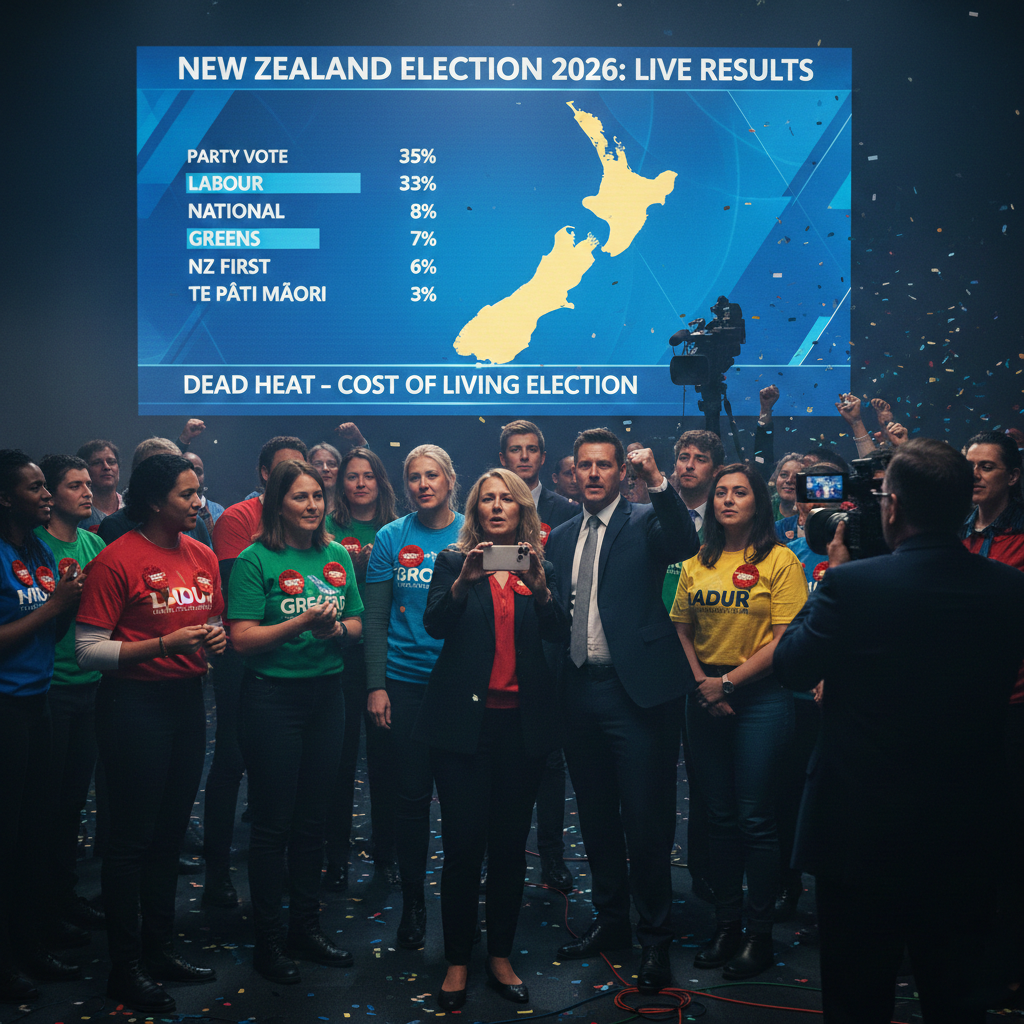
New Zealand Election 2026 Kicks Off with Key Issues Center Stage
New Zealand is gearing up for a pivotal general election on November 7, 2026, with voters weighing critical issues that affect everyday life. The cost of living and housing affordability have emerged as the dominant concerns among the electorate, placing economic stability and quality of life at the heart of the national debate. This election will determine the leadership direction of the country’s 55th Parliament and could shape policies that impact millions across New Zealand.
As the major parties position themselves ahead of the campaign period, understanding the issues that matter most to voters is crucial for anyone following New Zealand politics or preparing to cast their vote later this year.
The November 7 Election Date: What It Means for New Zealand
Prime Minister Christopher Luxon officially announced that New Zealand’s next general election will take place on Saturday, November 7, 2026. This decision sets the stage for intense campaigning and debate across the political spectrum.
Why November 7 Matters
New Zealand regularly holds general elections every three years under its mixed-member proportional (MMP) electoral system, where coalition governments are typical due to proportional seat allocation.
An election date well into November gives parties time to refine strategies, secure policy platforms, and target key voter issues.
Here’s a quick look at critical election planning factors:
| Election Feature | Detail |
| Date | November 7, 2026 |
| Voting System | Mixed-Member Proportional (MMP) |
| Seats in Parliament | 120 seats (+ possible overhang) |
| Major Parties | National Party, Labour Party, Greens, ACT, NZ First, Te Pāti Māori |
| Key Issues | Cost of living, housing affordability, healthcare, economy, employment |
Dominant Election Issues: Cost of Living Tops Voter Concerns
Rising Cost of Living: A Daily Reality for New Zealanders
Across New Zealand, many voters cite increasing expenses as a major concern — particularly for essentials such as food, energy, transportation, and healthcare. Numerous independent surveys and public monitoring reports consistently list inflation and cost of living as the top issues facing citizens, with as many as half or more respondents prioritizing these in national polls.
This pressure has persisted despite political debate and varying government responses, making economic concerns a driving force in voter decision-making for 2026.
Primary Cost of Living Factors Include:
- Household price pressures
- Utility and fuel expenses
- Healthcare accessibility costs
- Tax and social welfare reforms
These economic pressures are shaping voter expectations for parties and candidates to offer concrete and impactful solutions.
Housing Affordability: Access, Supply, and Costs
Housing affordability remains a central election issue, especially in urban areas like Auckland, Wellington, and Christchurch where price increases have historically outpaced household income growth. This issue continues to influence voter sentiment, particularly among younger voters and first-time homebuyers.
Key housing concerns include:
- High rental costs
- Scarcity of affordable properties
- Construction and supply shortages
- Demand-supply mismatch in major cities
Government data shows that a significant proportion of households spend more than 30% of their income on housing costs, amplifying public calls for policy reforms and budget commitments.
Political Context: Parties, Leadership, and Campaign Dynamics
The National Party and Christopher Luxon
Prime Minister Christopher Luxon leads the centre-right National Party, which currently governs in coalition with ACT New Zealand and New Zealand First. Luxon is seeking re-election on a platform emphasizing economic recovery, fiscal discipline, and stability — while also defending his record on housing and cost of living improvements.
Labour Party Under Chris Hipkins
Opposition leader Chris Hipkins has worked to rebuild support for the centre-left Labour Party after its poor showing in the 2023 election. Labour is campaigning on policies targeting affordability, public services, and economic fairness, aiming to regain voter trust.
Other Parties and Coalitions
New Zealand’s proportional representation system means smaller parties like the Green Party of Aotearoa New Zealand and Te Pāti Māori are positioned to potentially influence coalition negotiations. Electoral collaboration and policy alignment with larger parties are key to forming a functional government post-election.
Public Opinion and Polling Trends
Recent public monitoring indicates continuing volatility in how New Zealanders view national leadership and economic management:
Ipsos Monitoring Highlights:
- Inflation and cost of living remain the top reported concern.
- Healthcare and housing continue to rank highly among voter priorities.
- Economic confidence shows fluctuations depending on broader global trends.
Polling Insights:
| Issue | Public Concern Level |
| Cost of Living | Very High |
| Healthcare | High |
| Housing | High |
| Economy | Moderate |
| Crime & Justice | Moderate to Low |
Public opinion continues to evolve, with many New Zealanders indicating they will vote primarily based on tangible improvements in their financial wellbeing and access to essential services.
Economic Indicators Impacting the Election Narrative
Employment Trends and GDP Growth
New Zealand’s economic performance, including employment figures and GDP growth, is influencing voter confidence. Despite some positive indicators, such as modest GDP improvements, unemployment remains a point of debate and public scrutiny — factors that are commonly referenced in campaign rhetoric.
Migration and Workforce Dynamics
International migration — particularly flows to and from Australia — plays a role in workforce dynamics and demographic changes that affect the economy and housing markets.
FAQs: New Zealand Election 2026
Q1: When is New Zealand’s next general election scheduled?
A1: The general election is scheduled for November 7, 2026. Voters will elect members to the 55th Parliament.
Q2: What are the major issues in the 2026 election?
A2: The top issues are cost of living, housing affordability, healthcare, and economic performance, all of which are shaping party platforms and voter priorities.
Q3: Who are the main political leaders contesting the election?
A3: Prime Minister Christopher Luxon leads the National Party in government, while Chris Hipkins leads the Labour Party in opposition. Smaller parties like the Greens and Te Pāti Māori are also influential in coalition negotiations.
Q4: How does New Zealand’s electoral system work?
A4: New Zealand uses a mixed-member proportional (MMP) system, where voters cast two votes — one for a local representative and another for a political party. This often results in coalition governments.
Q5: Where can I follow ongoing election coverage?
A5: For continuing updates on the New Zealand election and political developments, visit trusted news sources and local analyses such as thenews.zone.
Conclusion: What the 2026 Election Means for New Zealand
The November 7, 2026 election represents a critical turning point for New Zealand’s future direction. With cost of living and housing affordability at the forefront of voter concerns, political leaders must offer credible policy solutions to address these pressing challenges. Outcomes will not only define the nation’s leadership but also the strategies implemented to improve everyday life for New Zealanders.
Stay informed and make your voice heard. Visit thenews.zone for in-depth election coverage, expert analysis, and the latest updates as New Zealand heads to the polls this November.
Bookmark thenews.zone for timely election insights and in-depth analysis, and participate actively in shaping New Zealand’s democratic future.
