

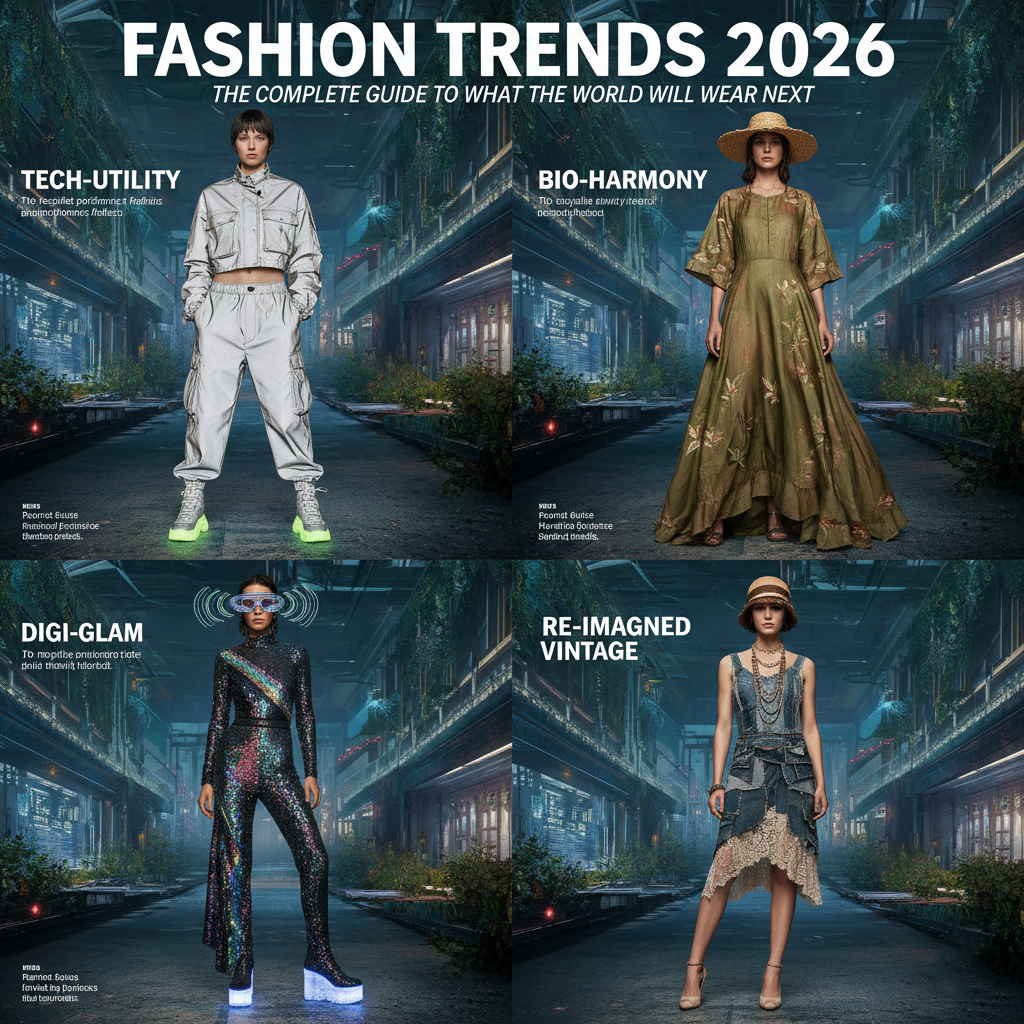
The global fashion landscape in 2026 is undergoing a groundbreaking shift. No longer driven only by luxury brands or seasonal runways, fashion today is shaped by sustainability, artificial intelligence, digital wearables, cultural fusion, and a new wave of consumer consciousness. In 2026, people want fashion that is personalized, ethical, technologically advanced, globally influenced, and future-ready.
From AI-designed outfits to climate-adaptive materials, from gender-neutral wardrobes to phygital (physical + digital) fashion—2026 represents a bold new chapter in style. This extensive report dives deep into the top global fashion trends of 2026, backed by industry insights, design evolution, cultural impact, and consumer behavior.
1. Hyper-Personalized AI Fashion: Clothing Designed Just for You
Artificial Intelligence is no longer just a creative assistant; it is now the primary designer for millions of consumers. In 2026, “one-size-fits-all” is officially outdated.
How AI Is Transforming Fashion in 2026
- AI apps generate personal outfit recommendations based on body type, weather, lifestyle, and mood.
- Virtual try-on rooms allow customers to test outfits in seconds.
- Smart algorithms create custom patterns for tailors and designers.
- AI analyzes runway, streetwear, cultural trends, and social media to predict future styles.
Why AI Fashion Is Booming
- Saves time and money
- Reduces fashion waste
- Boosts creativity
- Lets small designers scale globally
- Makes fashion more inclusive
By 2026, nearly every major fashion brand—from luxury houses to local boutiques—uses AI-powered design tools.
2. Sustainable & Regenerative Fashion Becomes Mainstream
Consumers in 2026 demand more than eco-friendly clothing—they want regenerative fashion, which restores ecosystems rather than just “reducing harm.”
Key sustainable trends
- Plant-based leather (cactus, mushroom, pineapple)
- Biodegradable fabrics replacing polyester
- Upcycled vintage collections
- Carbon-neutral clothing lines
- Slow fashion movement gaining mass adoption
Regenerative fashion examples
- Brands growing cotton without pesticides
- Textiles made from algae
- Waterless dyeing technologies
- Clothes that compost naturally within 120 days
Sustainability is no longer a category—it’s the foundation of all 2026 fashion.
3. Digital Fashion & NFTs Return (But Smarter)
After early hype and a temporary decline, the digital fashion industry made a major comeback in 2026—this time with real utility.
What’s trending
- Digital outfits for avatars in gaming and virtual worlds
- NFT-based fashion passes giving access to exclusive drops
- Phygital clothing: buy a real outfit + get its digital version
- AI-generated limited-edition virtual wearables
Digital fashion allows brands to experiment with designs impossible in the physical world—floating fabrics, metallic skins, glowing textures, and weightless silhouettes.
4. Climate-Adaptive Clothing: Built for Extreme Weather
Due to rising heatwaves, heavy rainfall, and unstable climate conditions, 2026 fashion heavily focuses on “weather-smart clothing.”
Examples
- Heat-resistant lightweight fabrics for tropical regions
- Thermal-responsive jackets for cold climates
- Water-repellent urban wear
- Self-cooling workout fabrics
- UV-protective daily wear
- Quick-dry hybrid outfits for unpredictable seasons
Fashion in 2026 is as much about functionality and protection as it is about aesthetics.
5. Global Cultural Fusion: A New Era of World Fashion
Fashion in 2026 is a melting pot of global styles inspired by:
- South Asian embroidery
- African prints
- Middle Eastern silhouettes
- East Asian streetwear
- Latin American color palettes
- Nordic minimalism
- American casual athleisure
This cultural blending has created a global style movement that celebrates heritage and identity.
Examples
- Silk saree jackets
- Japanese kimono-inspired denim coats
- African Ankara-print sneakers
- Korean minimalist workwear
- Mexican embroidered streetwear
The world is more connected—and fashion reflects that unity beautifully.
6. Gender-Neutral Wardrobes Go Mainstream
2026 fashion is no longer defined by “men’s” or “women’s” sections.
Popular gender-neutral items
- Oversized shirts
- Relaxed-fit trousers
- Neutral-tone blazers
- Unisex sneakers
- Straight-fit denim
- Structured jackets
- Minimalist accessories
This shift is driven by younger consumers demanding freedom, comfort, and inclusivity.
7. Rise of Tech-Integrated Smart Clothing
Smart fashion is one of the biggest revolutions of 2026. These items blend textiles with technology for enhanced functionality.
Smart clothing innovations
- T-shirts that track heart rate, posture, and stress
- Jackets with built-in heating or cooling
- GPS-enabled hiking wear
- Fitness leggings that correct posture
- LED-embedded streetwear that glows at night
Tech fashion is especially popular among:
- Athletes
- Travelers
- Fitness enthusiasts
- Motorcyclists
- Creators & influencers
8. Quiet Luxury & Minimalism Dominate 2026 Runways
While earlier years showcased bold, flashy styles, 2026 fashion shifts toward subtle sophistication.
Features of “quiet luxury”
- Neutral tones (beige, cream, grey, olive, navy)
- Clean silhouettes
- High-quality fabrics
- Minimal branding
- Subtle detailing
- Soft tailoring
Brands like The Row, Loewe, Jil Sander, and Bottega Veneta lead this movement.
9. Athleisure 3.0: Fashion Meets Performance Tech
Athleisure hasn’t faded—it’s evolved.
2026 Athleisure Trends
- Ultra-stretch workout sets
- Breathable mesh fabrics
- Hybrid outfits (gym-to-office)
- Skorts and tennis-inspired wear
- Luxurious yoga fabrics
- Athletic jumpsuits
- Performance footwear
People want clothes that allow them to move, work, train, and travel—without compromising style.
10. Y2K Reimagined: 2000s Fashion Makes a Comeback
2026 brings a refined version of Y2K, blending nostalgia with modern elegance.
Trending Y2K-inspired items
- Metallic mini-skirts
- Baggy low-rise jeans (with better fit)
- Bubble silhouettes
- Cropped jackets
- Rhinestone tops
- Chunky platform shoes
- Futuristic sunglasses
This trend is especially strong among Gen Z and younger millennials.
11. Maximalist Prints & Colors Return Boldly
Though quiet luxury rules premium fashion, the opposite movement—maximalism—is exploding among youth, influencers, and festival-goers.
Popular prints
- Digital flames
- Graffiti art
- Psychedelic swirls
- 90s cartoon graphics
- Animal mash-up prints
- Futuristic neon palettes
This is fashion with attitude, personality, and unapologetic expression.
12. The New Luxury: High-Quality, Long-Lasting, Ethical
In 2026, luxury is not defined by brand logos—it is defined by:
- Craftsmanship
- Ethical sourcing
- Innovation
- Rarity
- Sustainability
- Personal meaning
People prefer one premium, durable item over ten fast-fashion pieces.
13. Micro-Trends to Watch in 2026
1. Metallic fabrics
Silver, chrome, holographic, and liquid-metal dresses.
2. Oversized bags
Gigantic totes dominating runways.
3. Cargo maxi skirts
Functional, stylish, and streetwear-friendly.
4. 3D-knit sweaters
Digitally woven with zero waste.
5. Puffy silhouettes
Bubble hems, voluminous jackets, inflated boots.
6. Luxury loungewear
Cashmere joggers, silk co-ords, soft knitted sets.
7. Modular clothing
Detachable sleeves, adjustable lengths, multi-use items.
14. Influencers, Celebrities & Social Media Impact
Fashion discovery happens now on:
- TikTok
- YouTube
- Snapchat
- Threads
Influencers no longer follow trends—they create them.
Top influencer-driven categories
- Aesthetic wear (clean girl, soft boy, dark feminine, cottagecore)
- Capsule wardrobes
- Airport fashion
- Lifestyle athleisure
- Everyday luxury
The most viral looks often turn into global trends overnight.
15. The Future of Fashion After 2026
Fashion is entering a new era where:
- AI will design 30–40% of commercial fashion
- 70% of brands will adopt sustainable materials
- Digital and physical fashion will fully merge
- Smart clothing will replace basic wear
- Gender fluidity will dominate retail
- Consumers will prefer comfort + utility + minimalism
Fashion in 2026 is not just about looking stylish—it’s about expressing identity, supporting the planet, embracing technology, and living a lifestyle that aligns with global change.
Conclusion
Fashion Trends 2026 highlight the most transformative period in the industry’s history. The combination of AI, sustainability, digital innovation, cultural fusion, and climate-adaptive design has created a global fashion ecosystem that is smarter, cleaner, more inclusive, and more expressive.
Consumers now want clothing that:
- Fits perfectly
- Represents their identity
- Supports the planet
- Adapts to their lifestyle
- Uses technology creatively
Fashion in 2026 is not just what you wear—it’s who you are, how you live, and what future you believe in.
