

What Polar Bear DNA Is Telling Us About Climate Change
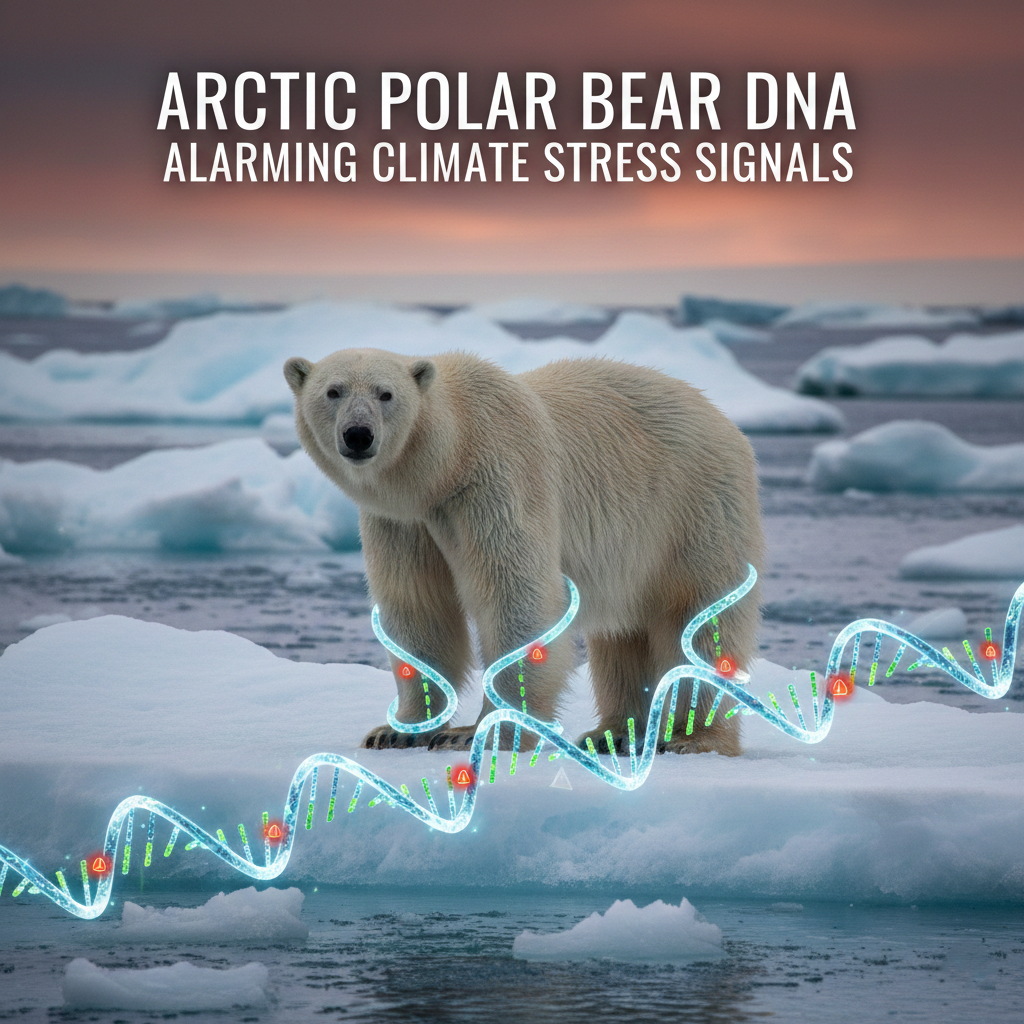
The Arctic polar bear has long been a powerful symbol of climate change. Now, groundbreaking research into polar bear DNA is providing concrete biological evidence of how deeply climate change is affecting Arctic wildlife. Scientists studying genetic markers in Arctic polar bears have discovered signs of physiological stress, reduced genetic diversity, and adaptive pressure caused by rapid sea ice loss and warming temperatures.
This is not speculation or future prediction. The DNA of polar bears is already changing.
As climate change accelerates in the Arctic—warming nearly four times faster than the global average—polar bears are facing shrinking habitats, longer fasting periods, and declining hunting success. These pressures are now visible at the molecular and genetic level, offering one of the strongest scientific warnings yet about the impact of global warming on wildlife.
This article explores what polar bear DNA reveals, why it matters for ecosystems and humans, and what the science tells us about the future of the Arctic.
Understanding Polar Bear DNA and Why Scientists Study It
What Is DNA Analysis in Wildlife Research?
DNA analysis allows scientists to examine how animals respond to environmental stress over time. In polar bears, researchers analyze:
- Genetic diversity
- Stress-related gene expression
- Metabolic and immune system markers
- Adaptation-related mutations
By comparing historical DNA samples with modern ones, scientists can track biological changes linked directly to climate change.
Why Polar Bears Are a Key Climate Indicator Species
Polar bears sit at the top of the Arctic food chain. This makes them an ideal indicator species, meaning changes in their health reflect broader ecosystem disruption.
Polar bears depend on:
- Sea ice to hunt seals
- Stable Arctic temperatures
- Predictable seasonal cycles
When these systems fail, polar bears feel the impact first—and most severely.
Arctic Warming and Its Direct Impact on Polar Bear Genetics
The Arctic Is Warming Faster Than Anywhere Else on Earth
Scientific data shows:
- Arctic temperatures rising 3–4 times faster than the global average
- Summer sea ice shrinking by over 40% since 1979
- Ice-free Arctic summers increasingly likely before 2050
This rapid warming leaves polar bears with less time to adapt naturally.
DNA Evidence of Climate-Induced Stress in Polar Bears
Recent genetic studies have identified alarming patterns:
- Increased activation of stress-response genes
- Altered fat metabolism genes, indicating prolonged starvation
- Reduced immune-response efficiency
- Signs of genetic bottlenecking in isolated populations
These genetic changes show polar bears are under sustained biological pressure, not just temporary hardship.
Loss of Genetic Diversity: A Silent but Deadly Threat
What Reduced Genetic Diversity Means
Genetic diversity is critical for:
- Disease resistance
- Reproductive success
- Long-term survival
When populations shrink or become isolated, genetic diversity declines.
Polar Bear Populations Are Becoming Genetically Isolated
As sea ice disappears:
- Polar bear populations are split into smaller groups
- Mating opportunities decrease
- Inbreeding risk increases
DNA analysis shows lower heterozygosity, a key indicator of reduced genetic health.
Comparison Table: Healthy vs Stressed Polar Bear Populations
| Factor | Healthy Arctic Past | Current Climate-Stressed State |
|---|---|---|
| Genetic diversity | High | Declining |
| Immune resilience | Strong | Weakened |
| Reproductive success | Stable | Reduced |
| Disease resistance | High | Lower |
This decline threatens the species’ ability to adapt to future changes.
Starvation Signals Encoded in Polar Bear DNA
Longer Fasting Periods Are Leaving Genetic Scars
Polar bears rely on seal hunting during ice seasons to build fat reserves. With shorter ice seasons:
- Bears fast longer on land
- Body mass decreases
- Cubs have lower survival rates
DNA studies reveal altered lipid metabolism genes, showing the body is adapting to chronic energy shortages.
Metabolic Stress Markers Found in Genetic Studies
Scientists have identified:
- Elevated cortisol-related gene activity
- Changes in insulin regulation genes
- Suppressed growth-related gene expression
These markers mirror patterns seen in mammals experiencing long-term starvation.
Climate Change Is Affecting Polar Bear Reproduction at the DNA Level
Declining Fertility and Cub Survival
Genetic and field data together show:
- Fewer successful pregnancies
- Lower birth weights in cubs
- Increased cub mortality
DNA analysis reveals stress affecting reproductive hormone regulation, reducing breeding success.
Epigenetic Changes: Stress Passed to the Next Generation
Epigenetics refers to changes in gene expression without altering DNA sequences. In polar bears:
- Stress-related epigenetic markers are appearing
- Cubs inherit altered gene expression
- Climate stress may impact future generations before birth
This means climate change is not only affecting today’s polar bears—it’s shaping tomorrow’s.
Disease Risk and Immune System Weakening
Genetic Evidence of Immune Suppression
DNA studies show:
- Reduced expression of immune defense genes
- Increased vulnerability to pathogens
- Higher risk from parasites and viruses
As Arctic temperatures rise, new diseases are moving north, exposing polar bears to threats they’ve never faced before.
Climate Change, Pollution, and DNA Damage
Climate change also increases exposure to:
- Heavy metals
- Persistent organic pollutants
- Microplastics
These contaminants can damage DNA, disrupt hormones, and weaken immune systems, compounding climate stress.
What Polar Bear DNA Tells Us About the Future of the Arctic
Polar Bears as a Warning System for the Planet
The genetic stress seen in polar bears is a biological alarm bell. It suggests:
- Arctic ecosystems are nearing critical tipping points
- Other species may already be experiencing similar hidden stress
- Human communities dependent on Arctic systems are also at risk
Can Polar Bears Adapt Fast Enough?
Evolution typically takes thousands of years. Climate change is happening in decades.
DNA evidence suggests:
- Some adaptive responses are occurring
- But the pace of warming exceeds genetic adaptation capacity
Without intervention, extinction risk increases significantly.
Conservation Strategies Informed by Genetic Research
How DNA Science Helps Protect Polar Bears
Genetic research supports:
- Identifying high-risk populations
- Designing wildlife corridors
- Managing genetic diversity
- Targeted conservation funding
Key Conservation Actions Needed Now
- Aggressive reduction of greenhouse gas emissions
- Protection of critical sea ice habitats
- Limiting Arctic industrial expansion
- Long-term genetic monitoring programs
Without global climate action, conservation efforts alone may not be enough.
Why This Research Matters Beyond Polar Bears
Implications for Global Biodiversity
Polar bears are not alone. Similar DNA stress patterns are being studied in:
- Arctic foxes
- Seals
- Caribou
- Marine birds
The Arctic functions as Earth’s climate regulator. Damage here affects weather, oceans, and food systems worldwide.
What This Means for Humans
Melting Arctic ice contributes to:
- Rising sea levels
- Extreme weather patterns
- Disrupted global climate systems
Polar bear DNA is telling a human story—about survival, adaptation, and urgent responsibility.
Frequently Asked Questions (FAQs)
What does polar bear DNA reveal about climate change?
Polar bear DNA shows increased stress markers, reduced genetic diversity, metabolic strain, and weakened immune systems caused by rapid Arctic warming.
How does melting sea ice affect polar bear genetics?
Melting sea ice limits hunting opportunities, causing starvation and stress that alter gene expression related to metabolism, immunity, and reproduction.
Are polar bears genetically adapting to climate change?
Some short-term genetic responses are occurring, but the pace of climate change is much faster than natural evolutionary adaptation.
Can polar bear populations recover genetically?
Recovery is possible only if climate change slows, habitats are protected, and populations remain large enough to maintain genetic diversity.
Why is genetic diversity important for polar bears?
High genetic diversity improves disease resistance, fertility, and the ability to adapt to environmental changes, increasing survival chances.
Conclusion: A Genetic Wake-Up Call the World Can’t Ignore
The message encoded in Arctic polar bear DNA is clear and urgent. Climate change is no longer a distant threat—it is actively reshaping life at the genetic level. Polar bears are showing us, through their own biology, what happens when ecosystems are pushed beyond their limits.
This research is not just about saving a single species. It’s about protecting the stability of the Arctic, the balance of global climate systems, and ultimately, our shared future.
The science is clear. The warning is written in DNA.
Now the question is whether humanity will act in time.
If you found this article valuable, share it, raise awareness, and support climate-positive actions—because the Arctic cannot wait.
