

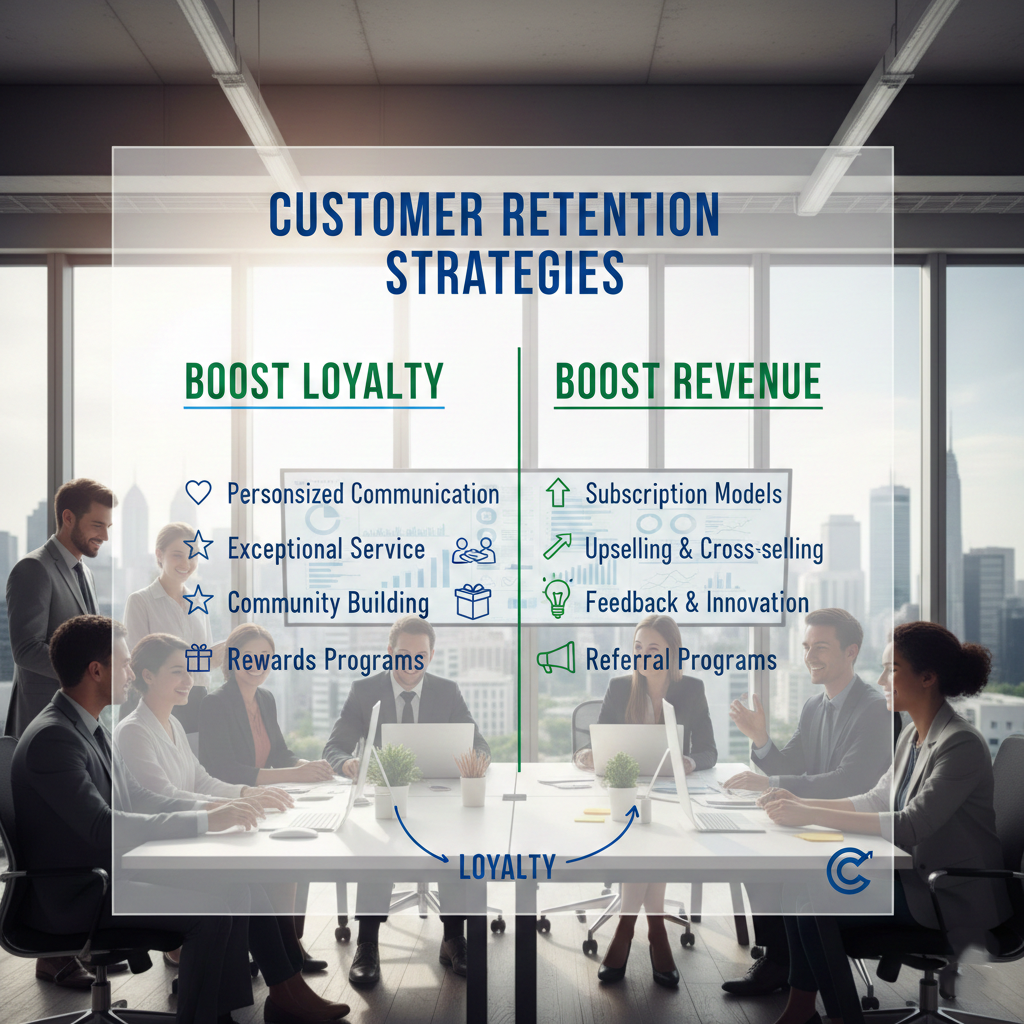
Why Customer Retention Matters
In today’s competitive business landscape, attracting new customers is important, but retaining them is even more crucial. Did you know that increasing customer retention by just 5% can boost profits by 25% to 95%? This makes customer retention strategies essential for businesses seeking sustainable growth.
Focusing on existing customers not only strengthens brand loyalty but also reduces marketing costs and increases lifetime value. This article dives deep into actionable strategies that help businesses retain customers, enhance engagement, and build long-term relationships.
Understanding Customer Retention
Before exploring strategies, it’s important to understand what customer retention really means.
Customer retention refers to a company’s ability to keep its existing customers over time, ensuring they continue purchasing products or services. High retention rates are often a sign of strong customer satisfaction, excellent service, and meaningful engagement.
The Cost of Losing Customers
| Metric | Impact |
|---|---|
| Cost to Acquire New Customer | 5-25x more than retaining existing |
| Average Retention Increase | 5% increase → 25–95% profit growth |
| Repeat Purchase Probability | 60–70% for existing vs 5–20% for new |
Clearly, retaining customers is not just a marketing strategy—it’s a revenue driver.
Proven Customer Retention Strategies for Businesses
1. Personalized Customer Experiences
Customers value personalized interactions that make them feel seen and appreciated. Tailoring messages, offers, and experiences based on customer behavior significantly improves retention.
How to personalize effectively:
- Segment customers by purchase behavior, location, or preferences
- Use email campaigns with personalized recommendations
- Offer custom discounts based on previous purchases
Example: Netflix’s recommendation engine keeps users engaged by suggesting shows and movies based on viewing history, resulting in higher retention.
2. Loyalty Programs That Work
A well-structured loyalty program encourages repeat purchases and builds brand loyalty.
Key elements of successful loyalty programs:
- Point-based systems rewarding purchases
- Tiered programs that increase benefits with engagement
- Exclusive offers and early access to products
Statistics: Businesses with loyalty programs see return customer rates 20–40% higher than those without.
3. Exceptional Customer Service
Outstanding customer service is one of the most effective ways to retain customers. Quick resolutions, empathy, and support across multiple channels make a huge difference.
Tips for improving customer service:
- Offer 24/7 support via chat, email, or phone
- Train staff in conflict resolution and communication
- Proactively reach out to resolve potential issues
Real-world example: Amazon’s hassle-free return policy and responsive support keep customers loyal even when issues arise.
4. Regular Communication & Engagement
Staying top-of-mind with your customers strengthens the relationship. Businesses should communicate consistently without being intrusive.
Effective engagement strategies include:
- Weekly or monthly newsletters with valuable content
- Product updates and announcements
- Social media engagement to foster community
Tip: Focus on value rather than promotion; educate or entertain your audience.
5. Collect and Act on Customer Feedback
Listening to your customers demonstrates that you value their opinion. Implementing feedback shows customers their voices matter.
Ways to gather feedback:
- Surveys via email or website pop-ups
- Online reviews and ratings
- Customer advisory panels
Actionable approach: Analyze patterns in feedback to improve products, services, and overall experience.
6. Offer Incentives for Repeat Purchases
Providing incentives like discounts, free shipping, or complimentary products encourages repeat business.
Examples of effective incentives:
- “Buy one, get one free” offers
- Seasonal discounts for loyal customers
- Referral programs rewarding repeat engagement
Incentives make customers feel appreciated and motivate them to continue buying.
7. Use Data Analytics to Predict Churn
Data-driven businesses can anticipate which customers are likely to leave and act proactively.
Key analytics strategies:
- Track purchase frequency and engagement metrics
- Identify patterns of churn (e.g., inactive users)
- Send re-engagement campaigns to at-risk customers
Example: Spotify uses listening patterns to recommend playlists and re-engage dormant users.
8. Build a Community Around Your Brand
Creating a sense of belonging keeps customers invested in your business. Community-driven strategies increase retention by fostering emotional connections.
How to build a community:
- Create brand forums or social media groups
- Encourage user-generated content and reviews
- Host events, webinars, or interactive sessions
Benefit: Customers feel part of something bigger, increasing loyalty and advocacy.
9. Consistent Quality and Reliability
Consistency is key. Customers stay loyal when they trust your brand to deliver high-quality products and services every time.
Best practices for consistency:
- Maintain strict quality control
- Set realistic delivery timelines
- Monitor customer satisfaction metrics
Insight: Brands like Apple retain customers by consistently providing reliable and innovative products.
10. Surprise and Delight Your Customers
Unexpected positive experiences leave lasting impressions. Surprise gestures make customers feel valued and increase retention.
Ideas to surprise customers:
- Handwritten thank-you notes
- Free samples or gifts with purchases
- Exclusive early access to new products
Even small gestures can create memorable experiences that encourage loyalty.
Comparing Retention Strategies: A Quick Look
| Strategy | Ease of Implementation | ROI Potential | Impact on Loyalty |
|---|---|---|---|
| Personalized Experience | Medium | High | Strong |
| Loyalty Programs | Easy | Medium-High | Strong |
| Customer Service | Medium | High | Very Strong |
| Regular Communication | Easy | Medium | Medium |
| Feedback Implementation | Medium | High | Medium-Strong |
| Incentives | Easy | Medium | Medium |
| Data Analytics | Hard | High | Strong |
| Community Building | Medium | Medium | Strong |
| Consistent Quality | Medium | Very High | Very Strong |
| Surprise & Delight | Easy | Medium | High |
FAQs About Customer Retention
Q1: Why is customer retention more important than acquisition?
A1: Retaining customers costs significantly less than acquiring new ones, while loyal customers spend more and refer others, boosting revenue.
Q2: What is a good customer retention rate?
A2: A retention rate of 80% or higher is considered excellent, but this varies by industry. Consistently improving retention is key.
Q3: How can small businesses retain customers effectively?
A3: Small businesses can focus on personalized experiences, excellent service, loyalty programs, and building a strong community.
Q4: How often should businesses engage with customers?
A4: Regular, value-driven engagement is recommended. Monthly newsletters, weekly updates, or social interactions help maintain connection without spamming.
Q5: Can technology improve retention?
A5: Absolutely. CRM systems, data analytics, and automation tools help track behavior, personalize interactions, and predict churn effectively.
Conclusion: Take Action to Retain Your Customers
Implementing effective customer retention strategies is no longer optional—it’s a business imperative. By personalizing experiences, offering loyalty rewards, providing exceptional service, and leveraging data, you can boost customer satisfaction, increase repeat purchases, and drive sustainable growth.
Start today: Audit your current retention strategies, identify gaps, and implement one new tactic each month. Your loyal customers are your biggest asset—nurture them, and the results will follow.
