

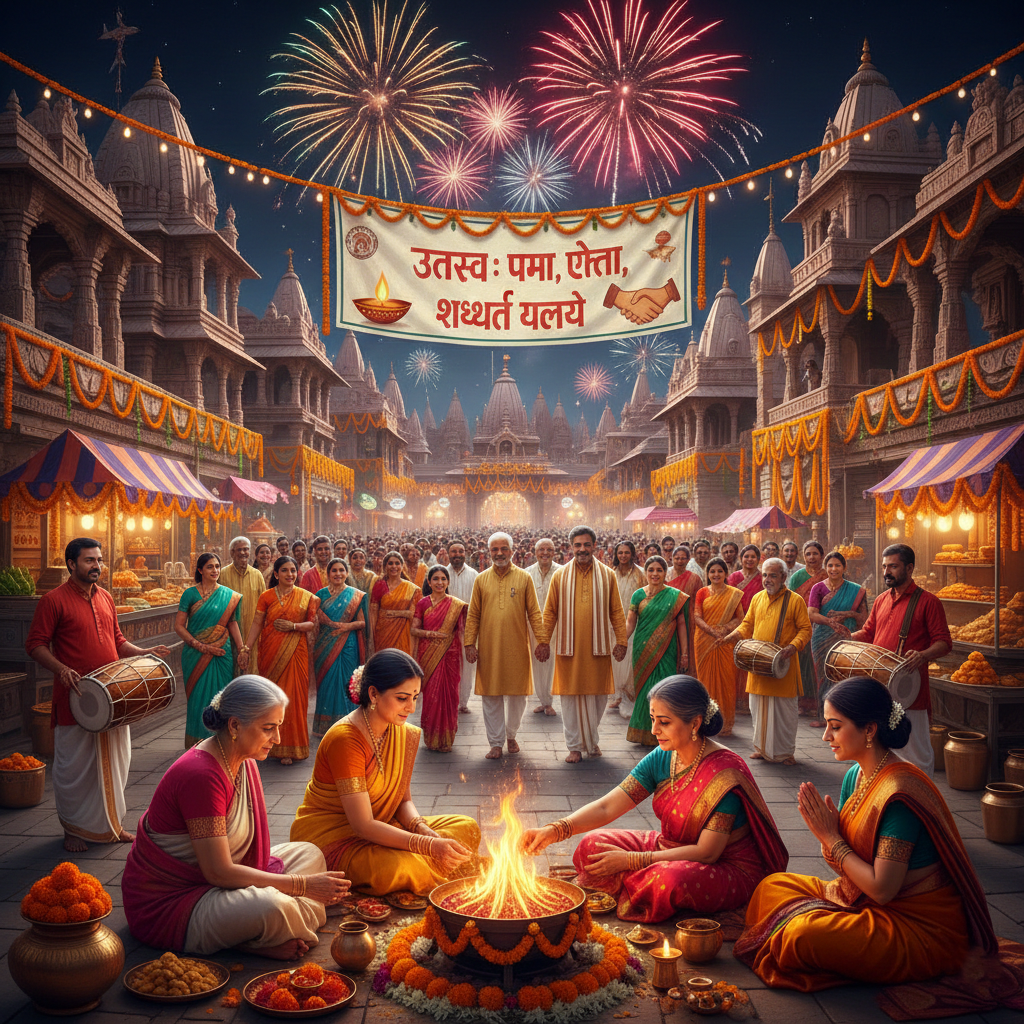
Why Festivals Matter in Indian Culture
India is not just a country; it is a living civilization shaped by traditions, beliefs, and celebrations. One of the strongest pillars holding this civilization together is its festivals. The importance of festivals in Indian culture goes far beyond rituals and holidays—they represent unity, gratitude, faith, history, and shared joy.
From Diwali’s glowing lamps to Eid’s heartfelt prayers, from Christmas carols to Pongal harvest rituals, Indian festivals reflect the soul of the nation. They connect generations, strengthen social bonds, preserve ancient traditions, and even contribute significantly to the economy.
In today’s fast-paced digital world, festivals remind people to pause, reconnect, and celebrate life together. Let’s explore why festivals remain deeply relevant in Indian culture and why their importance continues to grow with time.
Festivals as the Backbone of Indian Cultural Identity
Indian culture is incredibly diverse, shaped by thousands of years of history. Festivals act as cultural anchors that preserve this heritage.
Celebrating Diversity Within Unity
India celebrates:
- Religious festivals – Diwali, Holi, Eid, Christmas, Guru Nanak Jayanti
- Regional festivals – Pongal, Baisakhi, Onam, Bihu, Chhath Puja
- Seasonal & harvest festivals – Makar Sankranti, Lohri, Ugadi
- National observances – Independence Day, Republic Day
Despite regional and religious differences, festivals bring people together under shared values of joy, respect, and togetherness.
Key Insight: Festivals are one of the few social practices in India that cut across language, caste, and geography.
Social Importance of Festivals in Indian Society
Festivals play a crucial role in strengthening the social fabric of India.
Strengthening Family Bonds
In modern life, families often live apart due to work and education. Festivals act as reunions:
- Families travel long distances to celebrate together
- Elders pass down traditions to younger generations
- Shared meals and rituals create lasting memories
Community Harmony and Togetherness
Festivals promote:
- Neighborly interactions
- Community feasts and gatherings
- Collective celebrations in streets, temples, mosques, and churches
In many Indian towns, festivals are celebrated jointly by people of different faiths, reinforcing social harmony.
Spiritual and Religious Significance of Indian Festivals
Religion plays a vital role in Indian life, and festivals are deeply rooted in spiritual beliefs.
Connecting Humans With the Divine
Festivals symbolize:
- Victory of good over evil (Diwali, Dussehra)
- Gratitude to nature and gods (Pongal, Chhath Puja)
- Self-reflection and sacrifice (Ramzan, Lent)
They offer moments of prayer, meditation, and moral reflection.
Moral Lessons Passed Through Generations
Many festivals are based on stories that teach values such as:
- Truth and righteousness
- Compassion and forgiveness
- Patience and devotion
These stories shape ethical thinking, especially among children.
Cultural Preservation Through Festivals
Festivals are living museums of Indian culture.
Protecting Art, Music, and Dance
During festivals, traditional art forms come alive:
- Folk dances like Garba, Bhangra, and Kathakali
- Classical music performances
- Local crafts, rangoli, and decorative arts
Without festivals, many of these art forms would struggle to survive.
Traditional Food and Culinary Heritage
Each festival has unique foods:
- Modak during Ganesh Chaturthi
- Sevaiyan on Eid
- Plum cake at Christmas
- Puran Poli during Holi
These dishes preserve regional culinary traditions passed down for centuries.
Economic Importance of Festivals in India
Festivals are not just cultural events—they are economic drivers.
Boost to Local Businesses and MSMEs
Festive seasons increase demand for:
- Clothing and jewelry
- Handicrafts and decorations
- Sweets, snacks, and packaged foods
According to industry estimates, India’s festive season contributes nearly 30–40% of annual retail sales in some sectors.
Employment Generation
Festivals create temporary and permanent jobs for:
- Artisans and craftsmen
- Event organizers
- Decorators, caterers, and performers
- Transport and tourism services
Festivals and the Indian Economy: A Quick Comparison
| Aspect | Normal Months | Festive Season |
|---|---|---|
| Retail Sales | Moderate | Very High |
| Tourism | Average | Peak |
| Employment | Stable | Increased |
| Cultural Events | Limited | Extensive |
This shows how festivals play a critical role beyond celebrations.
Educational Importance of Festivals for Children
Festivals are powerful learning tools.
Teaching History and Values
Children learn:
- Mythological stories
- Historical events
- Moral values through rituals
Emotional and Social Development
Celebrations help children develop:
- Empathy and sharing habits
- Respect for diversity
- Confidence through participation
Schools across India now celebrate festivals to promote cultural education.
Role of Festivals in Promoting National Integration
India’s unity is strengthened through shared celebrations.
Festivals as Bridges Between Communities
Examples include:
- Holi celebrated by all communities
- Christmas enjoyed beyond Christian households
- Eid feasts shared with neighbors of different faiths
Festivals promote inclusivity and mutual respect.
Cultural Diplomacy and Global Recognition
Indian festivals like:
- Diwali
- International Yoga Day (inspired by Indian tradition)
are now celebrated worldwide, improving India’s global cultural influence.
Festivals in Modern India: Tradition Meets Technology
Festivals are evolving with time while retaining their essence.
Digital Celebrations and Social Media
Modern trends include:
- Online pujas and prayers
- Virtual family gatherings
- Social media campaigns spreading festive awareness
Sustainable and Eco-Friendly Celebrations
A growing movement promotes:
- Eco-friendly idols
- Reduced noise pollution
- Minimal waste celebrations
This ensures festivals remain relevant and responsible.
Psychological Benefits of Festivals
Festivals positively impact mental health.
Stress Relief and Emotional Well-being
Celebrations offer:
- Break from routine
- Opportunities for joy and laughter
- Sense of belonging
Creating Hope and Positivity
Festivals symbolize:
- New beginnings
- Renewal of faith
- Optimism for the future
This emotional upliftment is especially important in challenging times.
Why Festivals Are Still Relevant in the 21st Century
Despite modernization, festivals remain essential because they:
- Preserve identity in a globalized world
- Strengthen emotional connections
- Promote cultural pride
- Support economic growth
Festivals adapt but never lose their core purpose—bringing people together.
Frequently Asked Questions (FAQs)
Why are festivals important in Indian culture?
Festivals are important because they preserve tradition, strengthen social bonds, promote unity, and connect people with spiritual and cultural values.
How do festivals promote unity in India?
Festivals bring people of different religions, regions, and backgrounds together, encouraging harmony, mutual respect, and shared celebrations.
What is the economic impact of festivals in India?
Festivals significantly boost retail, tourism, handicrafts, and employment, contributing billions to India’s economy annually.
Are Indian festivals relevant for younger generations?
Yes, festivals teach values, history, creativity, and social responsibility while adapting to modern lifestyles and digital platforms.
How do festivals help preserve Indian heritage?
They keep traditional art, music, food, rituals, and stories alive by passing them from one generation to another.
Conclusion: Celebrating the Heart of India
The importance of festivals in Indian culture cannot be overstated. They are not just events on a calendar but powerful expressions of India’s soul. Festivals unite families, strengthen communities, preserve traditions, boost the economy, and nurture emotional well-being.
In a rapidly changing world, festivals remind us who we are and where we come from. They teach us to celebrate diversity, practice gratitude, and spread joy.
