

Why the Umar Khalid Case Is Drawing Global Attention
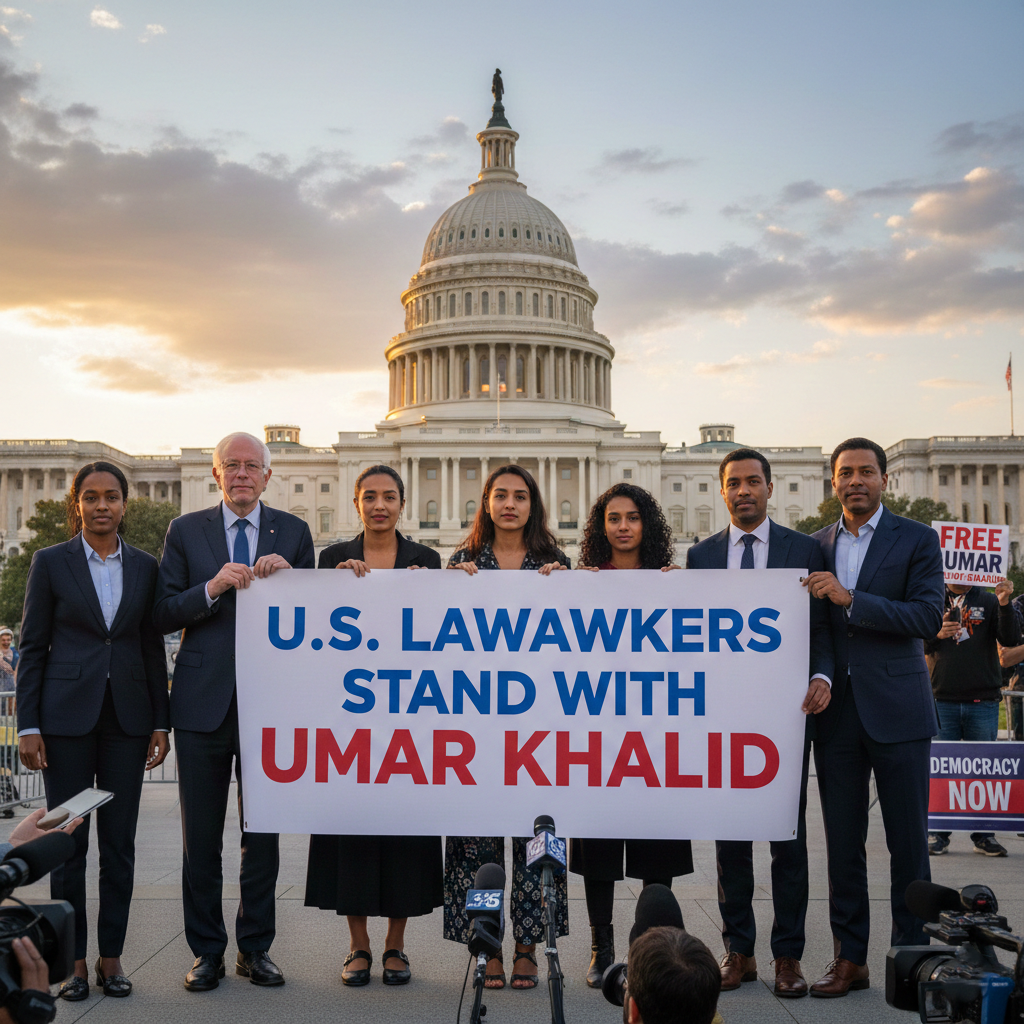
The case of Umar Khalid, a former Jawaharlal Nehru University (JNU) student activist, has once again entered the global spotlight after eight U.S. lawmakers wrote a formal letter urging the Indian government to grant him bail and ensure a fair trial under international law.
The lawmakers’ intervention highlights growing international concern over prolonged pretrial detention, freedom of expression, and due process in India. Khalid has been in jail since 2020 under the Unlawful Activities (Prevention) Act (UAPA) in connection with the Delhi riots conspiracy case, despite not being convicted.
As human rights groups, academics, and lawmakers raise alarms, the episode raises broader questions about democratic values, judicial safeguards, and India’s global image.
This article explains what the U.S. lawmakers said, why it matters, and how it could affect India–U.S. relations, while placing the issue in legal and geopolitical context.
Who Is Umar Khalid and Why Is He in Jail?
Umar Khalid’s Background as a Student Activist
Umar Khalid emerged as a prominent student voice during his time at Jawaharlal Nehru University, known for its culture of political debate. He has been associated with:
- Student activism and campus politics
- Advocacy on minority rights
- Public speeches critical of government policies
While controversial, Khalid has not been convicted of any violent crime.
The Delhi Riots Case and UAPA Charges
Khalid was arrested in September 2020 under the UAPA, India’s stringent anti-terror law, in connection with the February 2020 Delhi riots, which left over 50 people dead.
Authorities allege he was part of a conspiracy behind the violence. However:
- No direct evidence of violent action has been publicly proven in court
- Trials have moved slowly
- Bail under UAPA is extremely difficult due to strict provisions
Human rights observers argue that pretrial incarceration has become punishment itself.
Eight U.S. Lawmakers’ Letter: What Did It Say?
Key Demands Made by U.S. Congress Members
In their letter, the eight U.S. lawmakers urged Indian authorities to:
- Grant bail to Umar Khalid
- Ensure a fair and transparent trial
- Uphold international human rights commitments
- Respect freedom of expression and due process
The lawmakers emphasized that extended detention without conviction contradicts democratic principles.
Why the Letter Matters
This intervention is significant because:
- It comes from elected officials of India’s closest strategic partner
- It adds diplomatic pressure without formal sanctions
- It reflects growing concern within democratic alliances
Such letters rarely occur unless systemic rights concerns persist.
International Law and Human Rights Standards Referenced
What International Law Says About Pretrial Detention
Under international frameworks such as:
- International Covenant on Civil and Political Rights (ICCPR)
- Universal Declaration of Human Rights (UDHR)
Prolonged detention without conviction is discouraged. The core principles include:
- Bail should be the rule, not the exception
- Detention must be proportionate and justified
- Trials should occur within a reasonable time
India is a signatory to ICCPR, making these standards legally relevant.
Freedom of Expression and Dissent
The lawmakers also referenced protections for:
- Peaceful political speech
- Academic freedom
- Right to dissent in democracies
Global watchdogs like Amnesty International and Human Rights Watch have echoed similar concerns
(outbound link: https://www.amnesty.org).
Why the Umar Khalid Case Has Become Symbolic
A Broader Debate on UAPA and Civil Liberties
Critics argue that the UAPA’s bail restrictions allow incarceration without timely trials. According to legal experts:
| Issue | Concern |
|---|---|
| Low conviction rates | Many UAPA cases end without convictions |
| Extended detention | Accused spend years in jail |
| High evidentiary bar | Courts rely heavily on police claims |
Supporters of the law say it is necessary for national security, while critics fear misuse against dissenters.
Pattern Seen by Rights Groups
Several activists and scholars arrested under similar laws have faced:
- Long incarceration
- Delayed hearings
- Denial of bail despite health or age factors
This has turned individual cases like Khalid’s into symbols of democratic stress.
India’s Response So Far
Government’s Position
Indian authorities maintain that:
- Courts are independent
- Legal processes are being followed
- National security laws are essential
Officials often argue that foreign lawmakers should not interfere in domestic judicial matters.
Judicial Developments
Indian courts have repeatedly stated that:
- Bail decisions under UAPA depend on prima facie evidence
- Trial delays alone may not justify bail
However, critics note that years of incarceration without trial contradicts the spirit of justice.
Impact on India–U.S. Relations
Strategic Partnership vs Human Rights Concerns
India and the U.S. share close ties in:
- Defense cooperation
- Trade and technology
- Indo-Pacific security
Yet, human rights issues often create quiet friction.
While unlikely to derail relations, repeated concerns could:
- Influence congressional debates
- Shape future diplomatic engagement
- Affect India’s global democratic image
Historical Precedent
Similar U.S. congressional letters have previously addressed:
- Press freedom
- Minority rights
- Civil liberties in partner nations
They typically aim to signal concern, not confrontation.
Media, Academia, and Civil Society Reactions
Indian Media Divide
Indian media coverage remains polarized:
- Some outlets frame Khalid as a security threat
- Others highlight civil liberties and due process
Independent journalism platforms, including thenews.zone, have consistently reported on the legal and human rights dimensions of the case
Academic and Global Voices
More than 1,000 academics worldwide have previously signed petitions calling for Khalid’s release or bail, citing threats to academic freedom.
Key Facts at a Glance
- Arrested: September 2020
- Law invoked: UAPA
- Conviction status: None
- Trial status: Ongoing
- International concern: Yes
- U.S. lawmakers involved: Eight
FAQs: People Also Ask
Why did U.S. lawmakers write a letter about Umar Khalid?
They expressed concern over prolonged detention without conviction, urging India to uphold international human rights and due process standards.
Is Umar Khalid convicted of any crime?
No. He remains an undertrial prisoner and has not been convicted by any court.
What is the UAPA law?
The Unlawful Activities (Prevention) Act is India’s anti-terror law that makes bail difficult and allows extended detention.
Does international law apply to India?
Yes. India is a signatory to treaties like the ICCPR, which influence how rights and due process are interpreted
(outbound link: https://www.ohchr.org).
Could this affect India–U.S. relations?
Not directly, but repeated concerns may influence Congressional oversight and diplomatic dialogue.
Conclusion: Why This Case Will Continue to Matter
The letter from eight U.S. lawmakers supporting Umar Khalid is not just about one individual—it reflects a global debate on democracy, dissent, and justice.
As India positions itself as a leading democratic power on the world stage, cases involving extended pretrial detention and free expression will continue to draw scrutiny.
Whether or not courts ultimately grant bail, the conversation around fair trials, proportional laws, and constitutional values is far from over.
